Partnership with CSVR
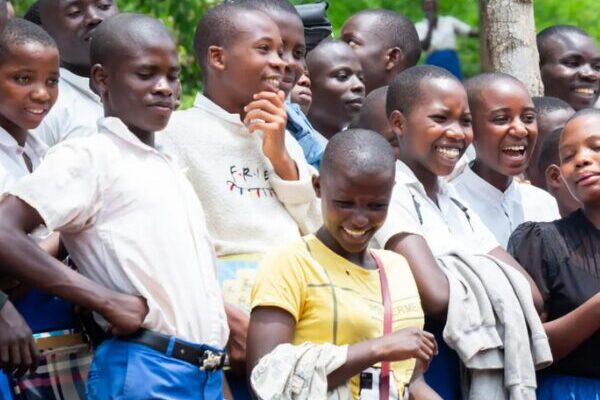
In partnership with the Centre for the Study of Violence and Reconciliation (CSVR), we promote youth participation and influence on national policy processes in Africa. We have collaborated on training, advocacy, and research to ensure greater youth participation in community-based TJ, and their representation and engagement in policy dialogues.
Find out more
Youth-friendly AUTJP
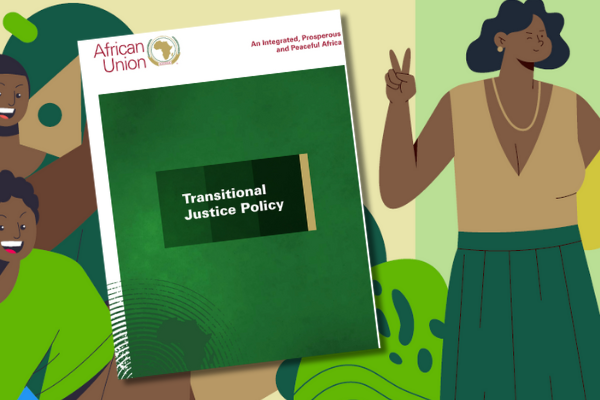
We are supporting the Youth Organisation for Research and Justice Advocacy (YORJA) to develop and roll out a youth-friendly version of the African Union Transitional Justice Policy (AUTJP), making a complex and technical document more accessible and engaging. In doing so, we aim to foster greater youth participation and ownership of TJ processes across the continent.
Find out more

‘Legacy’ policy brief series
While the importance of dealing with the past in TJ processes is acknowledged, youth perspectives are often underrepresented in policy discussions and implementation. This youth-led policy brief series is the first of its kind, exploring how the past echoes in the present. What are the enduring impacts of historical injustices in different African contexts?
Find out more


