


3 April 2024
When the political capacity or will to pursue justice is low, informal justice processes can create meaningful political and social change when led by victims and survivors. In the Democratic Republic of Congo, we have been actively supporting civil society and victim groups, at community and national levels, to advocate for the development, adoption, and implementation of a holistic national transitional justice policy for the DRC.
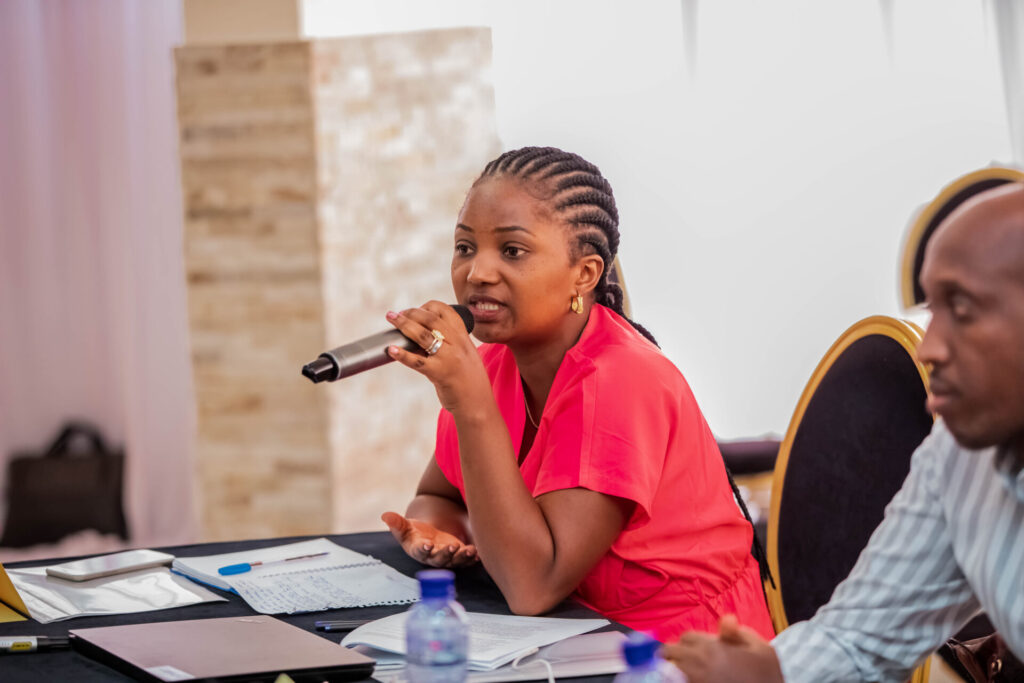
On 28 March 2024, in collaboration with national and international partners on the Just Future programme, we organised a roundtable meeting in Kinshasa on the expectations and aspirations of victim communities for transitional justice in the DRC. During this event, we presented a summary of findings and recommendations of research conducted in North Kivu, South Kivu, and Ituri.
With recent transitional justice developments in the DRC and ongoing discussions around the national transitional justice policy, these research findings are important as the communities in the three provinces are among the most affected by decades of war and violence, but were disenfranchised by popular consultations on transitional justice that took place in 2022.
The roundrable brought together national and international policymakers, civil society actors, and key national transitional justice institutions, including: representatives of state institutions (the National Assembly; the Ministry of Human Rights; the National Human Rights Commission; the Inter-institutional Commission for Assistance to Victims and Support for Reforms; and the Special fund for the distribution of compensation to victims), diplomatic and United Nations missions (the European Union Delegation, the United States Embassy, and the UN Joint Human Rights Office), international NGOs (Avocats Sans Frontières, Human Rights Watch, RCN Justice & Démocratie, and Carter Center) and numerous national civil society organisations.
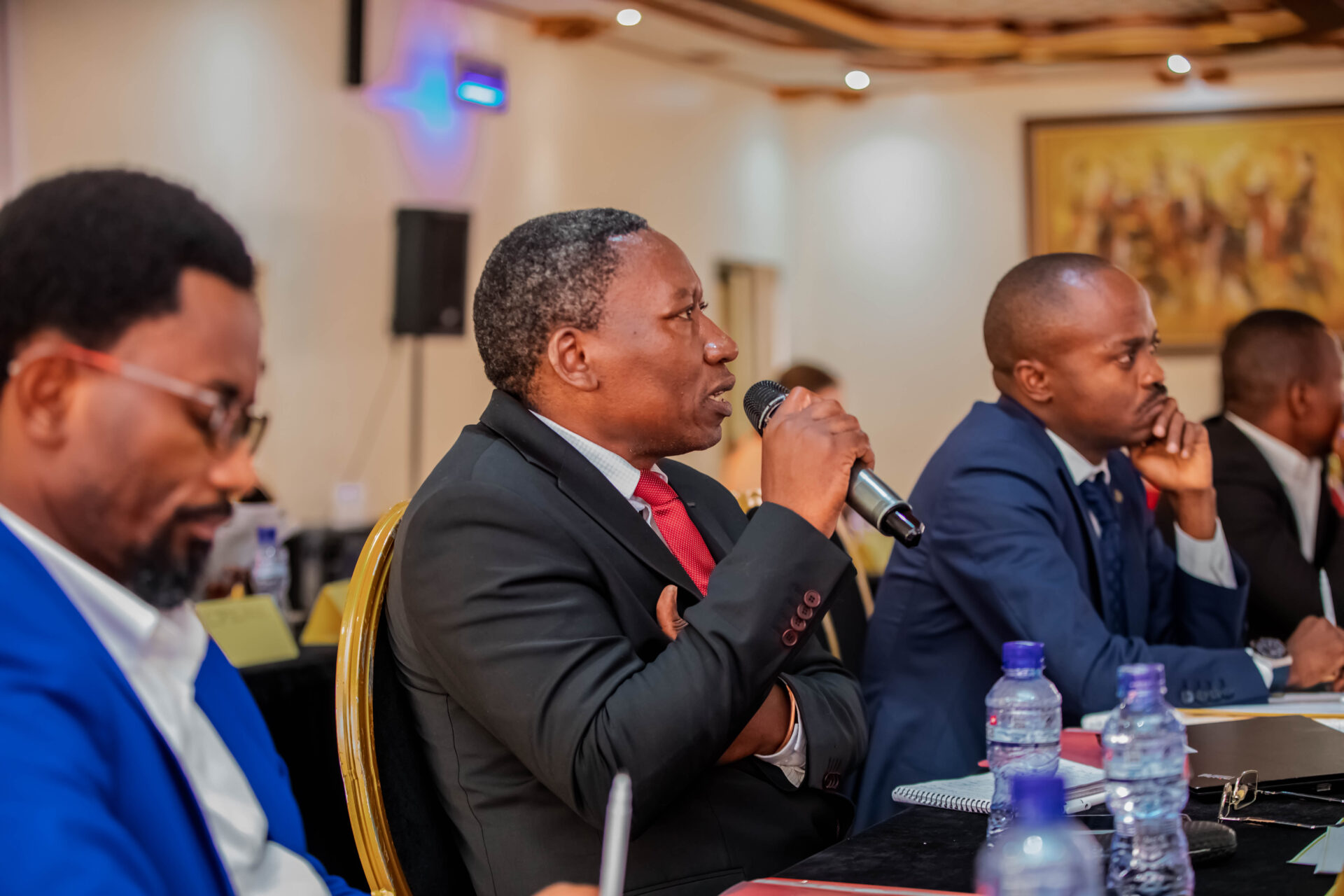
The Ministry of Human Rights, represented by the Adviser to the Minister in charge of transitional justice (who is also the Coordinator of the recently established National Transitional Justice Programme), committed to taking into account the results of the research carried out on the aspirations of victims’ communities in Ituri, North Kivu and South Kivu in relation to transitional justice in the DRC. The comments of representatives of other state institutions, such as the Inter-institutional Commission for Assistance to Victims and Support for Reforms, were also encouraging in this respect.
The report will be published in the coming weeks, and the research findings will inform further advocacy activities—which represents a crucial step for continuing our meaningful engagement with amplifying victim voices to the policy table.
Explore: Our work in the DRC