18 December 2025
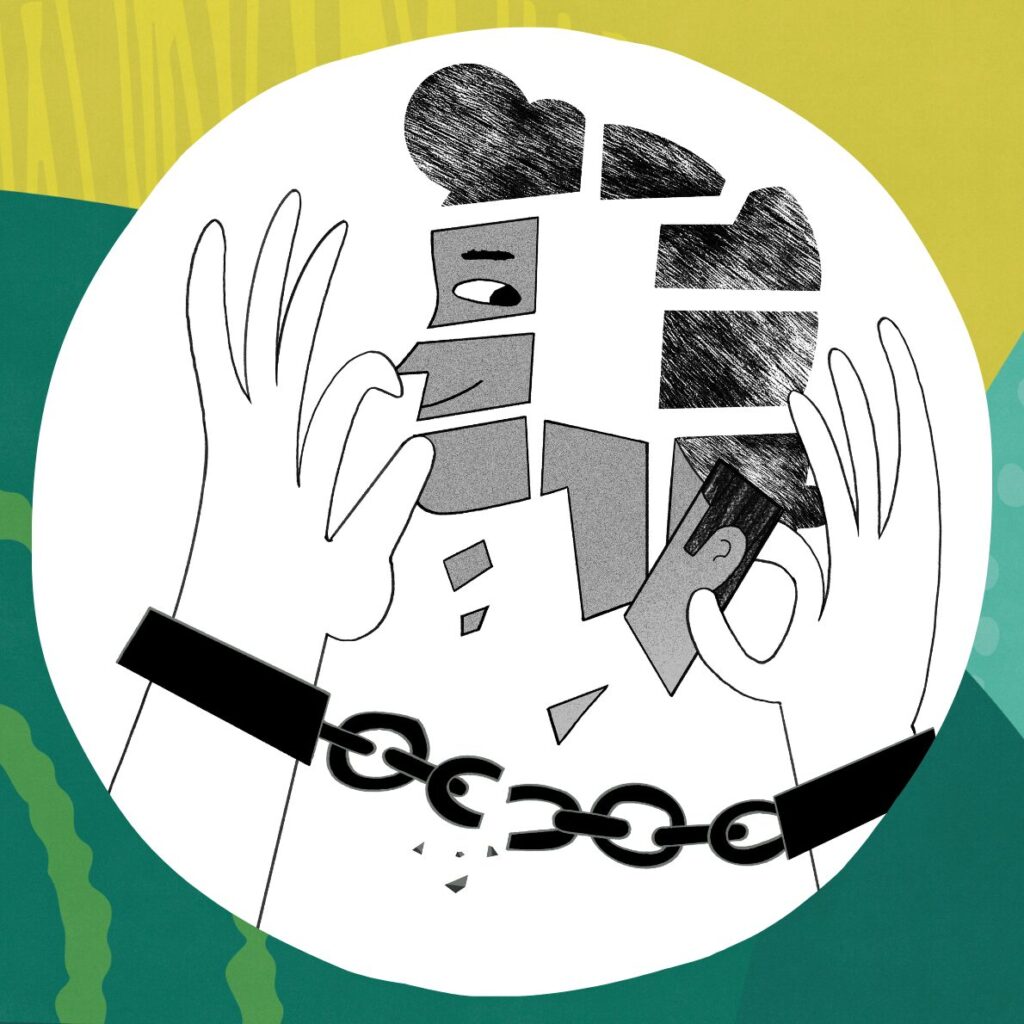
Tunisia faces a turning point, where the legacy of past violations meets the current challenges of justice and accountability. Memory plays a pivotal role in safeguarding the rights of victims, promoting social cohesion, and preventing the recurrence of violations.
“Establishing true justice begins with giving painful memories space to be expressed, for there can be no justice or accountability without acknowledgement. … Dealing with memory in a responsible manner is a moral and political necessity to build a society capable of coexistence and justice.” –Karim Abdel Salam, Tunisian human rights activist
This study, available in English and Arabic, first deals with individual and collective strategies for documenting and preserving memory within prison. The second part discusses the forms and methods of documenting and preserving memory and resisting forgetting after victims’ release.
Preserving memory and passing it on to future generations is essential to understand history in depth, ensure recognition for victims, and promote values of truth and accountability. Supporting victims of violations to undertake memory preservation initiatives is an essential tool for psychological and social healing, allowing victims to regain their dignity, and express and process their suffering in a collective and organised manner. This contributes to reconciliation between the past and the present, and to rebuilding trust between the Tunisian state and civil society.
Download (pdf 3.05 MB)